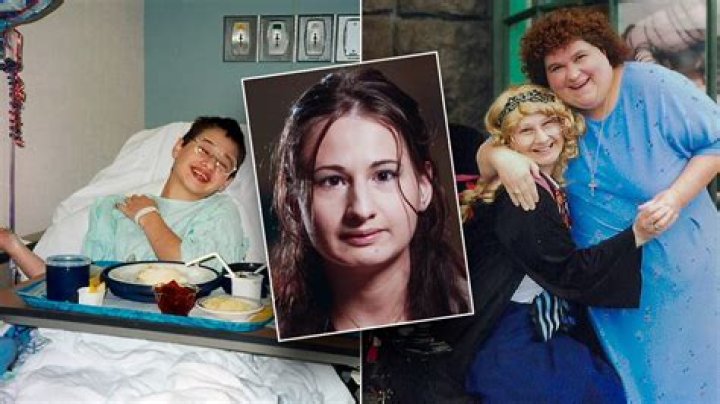
The term "crime scene gypsy mother" evokes a complex tapestry woven from societal perceptions, cultural stigmas, and the often tragic narratives that surround individuals involved in crime. In many communities, the word "gypsy" carries with it a sense of mystique and otherness, often leading to stereotypes that can obscure the truth of individual stories. This article seeks to explore the layered realities behind the term, particularly as it relates to mothers who find themselves at the intersection of crime and culture. The phenomenon of the 'gypsy mother' in crime scenes is not merely a sensationalized narrative; it reflects broader themes of survival, poverty, and the fight for dignity amidst adversity. Through an examination of such cases, we can better understand the societal factors that contribute to crime, as well as the unique struggles faced by these women.
In this exploration, we will delve into specific instances that highlight the stories of gypsy mothers caught in crime scenes, shedding light on their backgrounds, motivations, and the societal judgments they face. It's crucial to approach these narratives with empathy and a critical eye, recognizing that behind every headline is a human being with hopes, dreams, and often, tragic circumstances. This article aims not only to inform but also to foster a dialogue about the complexities of identity and crime in marginalized communities.
As we navigate through the intricacies of the crime scene gypsy mother, we will address key questions that arise in understanding this phenomenon. What drives a mother to the fringes of legality? How do cultural expectations play a role in shaping their realities? Join us as we unravel these questions and more, aiming to paint a comprehensive picture of the lives intertwined with crime and culture.
What is the Background of the Crime Scene Gypsy Mother?
The term "gypsy" often refers to the Romani people, a group known for their nomadic lifestyle and rich cultural heritage. However, societal perceptions frequently reduce their identity to stereotypes, particularly in relation to crime. The crime scene gypsy mother embodies a narrative that is layered with cultural significance and societal implications.
Biography of a Crime Scene Gypsy Mother
To better understand the complexities surrounding the crime scene gypsy mother, it is important to examine individual stories. Below is a biographical overview of a notable case that highlights the struggles faced by gypsy mothers in the context of crime.
| Name | Age | Background | Notable Incidents |
|---|---|---|---|
| Maria Popescu | 34 | Romani descent, grew up in a marginalized community | Involved in a theft ring; arrested with her children |
What Factors Contribute to Crime in Gypsy Communities?
Understanding the factors that contribute to crime within gypsy communities requires a nuanced approach. Economic hardship, lack of access to education, and systemic discrimination all play a role in pushing individuals toward illegal activities.
- Poverty: Many gypsy families live below the poverty line, leading to desperation.
- Lack of Education: Limited access to education can hinder opportunities for legitimate employment.
- Societal Stigma: Discrimination against gypsies can result in exclusion from mainstream society.
- Familial Pressures: Cultural expectations may compel mothers to make difficult choices for their families.
How Do Gypsy Mothers Navigate Their Roles in Crime?
Gypsy mothers often find themselves in challenging positions where they must balance their roles as caregivers with the harsh realities of their environment. This duality can lead to complex decision-making processes that are not easily understood by outsiders.
What Are the Consequences of Being a Crime Scene Gypsy Mother?
The consequences of being labeled a crime scene gypsy mother can be severe and far-reaching. These women often face legal repercussions, social ostracization, and psychological distress.
- Legal Issues: Arrests and convictions can lead to incarceration, affecting their children’s welfare.
- Social Stigma: The label of "criminal" can follow them, impacting future opportunities.
- Family Separation: Involvement in crime may lead to children being taken away by authorities.
How Can Society Support Gypsy Mothers?
Addressing the plight of crime scene gypsy mothers requires a societal shift towards understanding and support. Community programs, education initiatives, and legal aid can provide essential resources for these women.
What Role Does Culture Play in Shaping Identity?
Cultural identity is a central theme in the lives of gypsy mothers. Their experiences are heavily influenced by their cultural background, which can affect their choices and the way they are perceived by society.
How Can We Change the Narrative Surrounding Crime Scene Gypsy Mothers?
Changing the narrative surrounding crime scene gypsy mothers involves dismantling stereotypes and fostering empathy. It requires recognizing their humanity and the unique challenges they face.
- Education: Raising awareness about Romani culture can help dispel myths.
- Empathy: Listening to their stories can promote understanding and compassion.
- Support Systems: Creating programs that offer assistance rather than punishment can lead to positive change.
The story of the crime scene gypsy mother is one that demands attention and empathy. By understanding the multifaceted issues they face, we can work towards a more just and supportive society that acknowledges their struggles and seeks to uplift rather than condemn. Through this journey of exploration, we hope to foster a dialogue that recognizes the dignity and humanity of all individuals, regardless of their circumstances.
Unraveling The Mystery Of Deedee Blancharde's Autopsy
Unveiling The Mystery: Gypsy Rose Crime Scene Pictures
Unraveling The Mystery: Deedee Blanchard Crime Scene Photos